
Residential vs Commercial Construction: Complete Guide for UAE Projects
Choosing between residential and commercial construction is one of the most important decisions in any building project. While both involve planning, design, and execution, they serve very different purposes and follow different rules, processes, and priorities—especially in the UAE.
This complete guide explains the key differences between residential and commercial construction, how each works in the UAE context, and how to decide which approach fits your project goals. Whether you are building a villa, apartment, office, retail space, or mixed-use development, understanding these differences helps you plan smarter and avoid costly mistakes.
At Araka Engineering Consultancy LLC, we support both residential and commercial projects across the UAE with expert planning, design, supervision, and compliance support—ensuring every project is safe, efficient, and future-ready.
What Is Residential Construction?
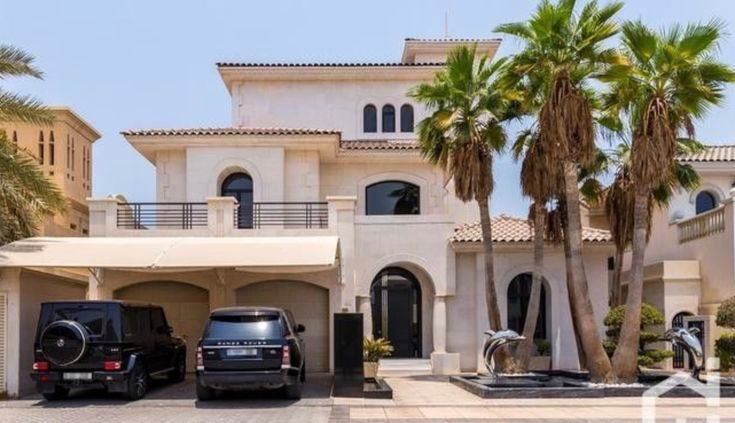
Residential construction focuses on buildings designed for people to live in. These projects prioritize comfort, privacy, safety, and long-term livability.
Common Residential Construction Types in UAE
- Villas (single-family or luxury villas)
- Townhouses
- Apartment buildings
- Low-rise residential compounds
- Staff accommodation housing
Residential projects are usually customized to suit lifestyle needs, family size, and cultural preferences, especially in UAE homes where privacy and layout play a major role.
What Is Commercial Construction?
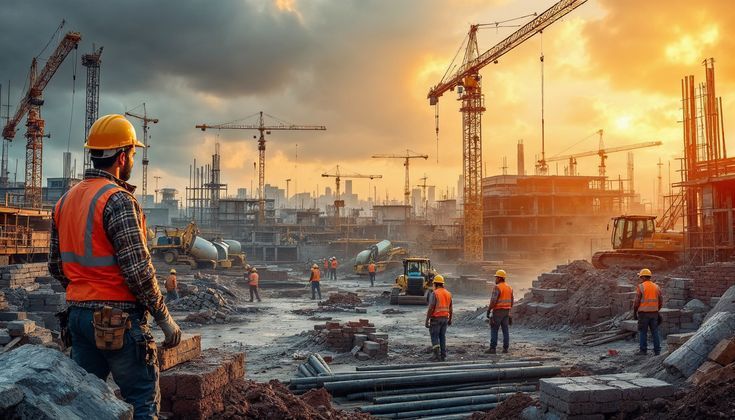
Commercial construction involves buildings used for business, trade, or public purposes. These projects focus on functionality, durability, safety under heavy usage, and regulatory compliance.
Common Commercial Construction Types in UAE
- Office buildings
- Retail shops and malls
- Warehouses
- Hotels and hospitality projects
- Clinics and medical centers
- Educational facilities
- Mixed-use developments
Commercial buildings are designed to handle higher occupancy, stricter safety rules, and more complex systems.
Key Differences Between Residential and Commercial Construction
Understanding these differences helps you choose the right construction approach and consultancy support.
1. Purpose and Usage
Residential Construction
- Designed for daily living
- Focuses on comfort, privacy, and lifestyle
- Lower daily occupancy
- Long-term personal use
Commercial Construction
- Designed for business operations or public use
- Focuses on efficiency, accessibility, and safety
- High foot traffic and occupancy
- Revenue-generating purpose
2. Design Complexity
Residential design emphasizes:
- Room layout and flow
- Natural light and ventilation
- Private outdoor spaces
- Family-friendly zoning
Commercial design emphasizes:
- Space efficiency
- Compliance with occupancy standards
- Accessibility (ramps, lifts, parking)
- Structural capacity for heavy usage
- Fire and safety regulations
Commercial designs are generally more complex and require deeper coordination between architects, engineers, and authorities.
3. Structural Requirements
Residential structures are typically designed for:
- Moderate loads
- Standard foundation systems
- Fewer floors (especially villas)
Commercial structures must handle:
- Higher live loads
- Larger spans
- More floors and vertical circulation
- Heavy equipment and services
This makes structural analysis and engineering more critical in commercial projects.
4. MEP Systems (Mechanical, Electrical & Plumbing)
MEP systems are one of the biggest differences.
Residential MEP focuses on:
- Comfort cooling
- Energy efficiency
- Domestic plumbing
- Simple electrical loads
Commercial MEP focuses on:
- Central HVAC systems
- Backup power systems
- Fire alarms and suppression
- High electrical demand
- Advanced plumbing and drainage
Commercial MEP design requires detailed coordination to ensure safety, efficiency, and long-term performance.
5. Regulatory and Compliance Requirements in UAE
Both project types must follow UAE regulations, but commercial projects face stricter controls.
Residential compliance usually includes:
- Municipality approvals
- Structural and architectural compliance
- Utility connections
- Basic safety requirements
Commercial compliance may include:
- Civil Defense approvals
- Fire and life safety systems
- Accessibility standards
- Environmental and zoning regulations
- Occupancy certifications
Working with an experienced engineering consultancy helps prevent approval delays and redesigns.
6. Construction Timeline and Coordination
Residential projects:
- Shorter timelines
- Fewer contractors involved
- Simpler coordination
- Lower documentation volume
Commercial projects:
- Longer timelines
- Multiple stakeholders
- Phased construction
- Detailed documentation and inspections
Strong project management and supervision are essential for commercial construction success.
Cost Planning Differences (Without Pricing)
While exact numbers vary, cost planning differs in structure and priorities.
Residential cost planning focuses on:
- Layout efficiency
- Material durability
- Long-term maintenance
- Lifestyle features
Commercial cost planning focuses on:
- Structural efficiency
- System performance
- Operational costs
- Scalability and future expansion
Accurate BOQs (Bills of Quantities) are essential for both—but are more detailed for commercial projects.
Which Construction Type Is Right for Your Project?
Ask yourself these key questions:
- Is the building for living or business use?
- Will there be high public occupancy?
- Do you need advanced safety systems?
- Is long-term operational efficiency critical?
- Will the building generate revenue?
If the answer leans toward business use and public access, commercial construction standards apply—even if the building looks residential.
Mixed-Use Projects: A Growing UAE Trend
Many UAE developments combine residential and commercial elements, such as:
- Residential towers with retail on ground floor
- Office buildings with serviced apartments
- Commercial podiums with residential units above
These projects require:
- Clear zoning
- Separate access systems
- Advanced fire and safety planning
- Integrated structural and MEP design
Professional consultancy is critical for managing mixed-use complexity.
How Araka Engineering Consultancy LLC Supports Both
Araka provides end-to-end support for both residential and commercial construction across the UAE.
Our Expertise Includes:
- Architectural design and planning
- Structural analysis and optimization
- MEP design and coordination
- BOQ preparation and cost planning
- Construction supervision
- Safety management and inspections
- Authority compliance support
We tailor every solution to project type, usage, and long-term goals—ensuring safety, efficiency, and sustainability.
Common Mistakes to Avoid
- Treating commercial projects like residential ones
- Ignoring future expansion needs
- Underestimating MEP complexity
- Poor coordination between disciplines
- Choosing layouts without considering compliance
Avoiding these mistakes early saves time, cost, and rework later.
Final Thoughts
Residential and commercial construction may look similar on the surface, but they are fundamentally different in purpose, design, compliance, and execution. In the UAE, understanding these differences is essential for project success.
Residential construction focuses on lifestyle, comfort, and privacy. Commercial construction focuses on performance, safety, and long-term operational efficiency. Choosing the right approach—and the right consultancy—ensures your project meets regulations, serves its purpose, and delivers lasting value.
With Araka Engineering Consultancy LLC, you gain expert guidance from planning to completion—whether you are building a home, a business space, or a mixed-use development.
FAQs – Residential vs Commercial Construction in UAE
What is the main difference between residential and commercial construction?
Residential construction is for living spaces, while commercial construction is for business or public use and requires stricter safety and compliance standards.
Are commercial buildings harder to construct than residential ones?
Yes. Commercial projects involve more complex structures, advanced MEP systems, and stricter regulations.
Can a residential building be converted into commercial use?
In some cases, yes—but it requires redesign, authority approvals, and compliance upgrades.
Which type of construction requires more approvals in UAE?
Commercial construction generally requires more approvals, inspections, and safety certifications.
Do mixed-use projects follow residential or commercial rules?
They follow both. Each zone must comply with its specific use requirements.
Why is professional consultancy important for both types?
A consultancy ensures proper design, safety, compliance, coordination, and long-term efficiency.
How early should an engineering consultancy be involved?
At the planning stage. Early involvement reduces errors, delays, and redesign costs.
Disclaimer: The information on this website and blog is for general informational purposes only and is not professional advice. We make no guarantees of accuracy or completeness. We disclaim all liability for errors, omissions, or reliance on this content. Always consult a qualified professional for specific guidance.
Recent Blogs



Contact Us
We will get back to you as soon as possible.
Please try again later.
